Category: blog archive

High Holy Day Homework

So you went to Rosh Hashana services (or not), and you plan to go to Yom Kippur services (or not). Maybe you say a few prayers, listen intently to the rabbi’s sermon, allow the cantor’s music to suffuse your soul.  Have you fulfilled your High Holy Day responsibilities? Can you check off this week’s To Do list – “Get into the metaphoric Book of Life”?
Sorry, that’s not really how it works. The High Holy Days are about doing the work, spiritual work. Called Teshuva or repentance, this High Holy Day work requires that we prepare before, work during, and follow up after these awesome Jewish days.
To make it easier, I have for you a High Holy Day Homework sheet. It is self-explanatory. It is surprisingly simple to fill out. Once you complete the form, you just need to follow up – by seeking out those you have wronged, and starting the process of repair. 
Sure, the process can be much more complicated, but you might use this worksheet to get you going. Luckily it is self-graded by you (well, many believe God will be the ultimate judge too, but that depends on your theology). 
Good luck, and let me know how it goes.

18 Jewish Ways of Believing in God

Have you ever been to the Grand Tetons, our National Park in Wyoming? I did a few years back on a family road trip. It was magnificent. The jagged peaks of the Grand Tetons mountain range, rise up more than 7,000 feet above the valley floor, in a way that is just stunning. The lush green fields are beautiful, as are the rainbows of wildflowers that paint the meadows in vivid colors. Noisy streams cascade down the rocky canyons to fill larger lakes at the foot of the range. After driving around in the Park for a few days, I became so overwhelmed by the beauty that I had to pull off the road.

Overwhelmed by the Beauty of Nature
Grabbing my camera, I jumped out of the van and ran down to the winding Snake River. I was overcome with emotion. My heart beat rapidly, my breathing quickened, and, standing there, I began to shed tears of joy. The words of the Biblical Psalmist rang out in my head – (I’m a rabbi, what did you expect) – M’lo chol ha’aretz k’vodo – the whole earth is filled with God’s majestic grandeur. I was in awe. To paraphrase the 20th century Jewish thinker Rabbi Abraham Joshua Heschel, I was in awe of creation; I was filled with radical wonder at its magnificence. At that moment, I had no doubt that this world had a Creator, for I saw the Creator’s illustrious splendor before my very eyes. Mah nora hamaqom hazeh – how awesome was this place!

Have you ever been moved by the radiance of nature, a mountain, an ocean, or a beautiful sunset with a loved one by your side? Did you feel a sense of radical wonder? Did you feel “spiritual”?

I think spirituality is the “sense that we are all part of something greater.” Many of us feel astounding spirituality within nature. Which leads to the question: Is that God?

Personal Spiritual Connections among a Bunch of Addicts
Another story. Years ago I led retreats for Jews recovering from alcoholism and addictions. Participants learned and prayed together, confessed weaknesses to one another, and cried the reaffirming tears of recovery. Strangers at the start of the weekend, they grew close as they shared stories of pain and failure, of shattered dreams and broken lives.

At the end of each retreat, we gathered for a friendship circle. Interspersed between songs of hope, participants reflected on their experience on the retreat. A few described their interactions with others as being “holy.” In fact, a 20th century German-Jewish philosopher named Martin Buber taught that when two people place themselves so completely into a relationship, to truly understand and “be there” with each other, without masks and without pretenses, then God is in the moment. That Jewish recovery retreat became one, united by concern for each other. For them, God wasn’t some guy with a white beard sitting on a throne in high. God was a nearby Presence, felt in each encounter.

Have you ever had a feeling of spirituality borne within the intimacy of an encounter with another person? It might have been an interaction over a cup of coffee, sharing life’s stories, or the connection that happened while taking a walk with an old friend. Or with someone you deeply care for, truly making love.

So many of us have felt spirituality in those kind of human encounters. But one might ask: is that God?

Time to Talk about God
It is time we be upfront with each other. And speak about the three-letter word, which keeps coming up but that we continuously stop short of discussing: G-O-D! It is time to talk about God.

Let’s start with short poll. I’ll give you three options; you each may vote once: I believe in God. I don’t believe in God. I’m not sure about God. Everyone please vote, but only once: Raise your hand if you believe in God. (Please lower your hand.) Now raise your hand if you don’t believe in God. And raise your hand now if you are not sure.

[At that service, 60% raised their hands professing a belief in God, 30% not believing in God, and 10% not sure. These results are an anomaly from my experiences with other groups. It has been suggested that few would want to declare a lack of belief in God before their Rabbi, with their neighbors surrounding them, at synagogue, on Rosh Hashana. Usually about 2/3 of the group are unsure or non-believers.]

That’s a pretty interesting response on a day ostensibly devoted to thanking God for our blessings, and for asking God to write us into the metaphoric Book of Life. You would think it would be a given that people who will spend so much time in worship services would be God-believers. Yet as our poll evidenced, so many of us are not, or at least we are not sure.

I spend so much of my time as a rabbi speaking with people about their relationships with God (or lack thereof). The topic arises in the planning of a wedding when a bride or groom will ask, “How many times during the ceremony do you mention God?” It arises in difficult times when people ask why God “took” the 19 year old boy, or what was God’s plan in “giving cancer” to a kind, loving 48 year old husband and father of two?

What God Don’t You Believe In?
I often ask people who don’t believe in God, which God don’t they believe in. One congregant recently responded, “You know, God in the Torah who rewards the good people and punishes the bad. All knowing. All powerful. All Good. I just can’t believe in God because too many bad things happen to good people and too many bad people get away with murder.”

I get it. In fact I too don’t believe in God as literally depicted in the Torah: A God who punishes people with illness, who always rewards the righteous in ways we can see. My observations do not support this idea. That God-concept is like a youngster’s understanding of his parent. Like back when my kids were young and thought that I, Daddy, was the smartest man in the world, that everything I did was planned and perfect. (Oh, how I sometimes miss those days.) As my kids have grown they have developed a more nuanced view of me, which I’m glad has allowed us to develop a richer, more realistic, closer relationship.

Similarly, our Jewish people has grown up from the early days of the Torah, and our relationship with God similarly has evolved to become more mature.

New Jewish understandings have emerged that are at once more sophisticated while still embedded in Jewish tradition. This host of Jewish God concepts just might entice you to rethink your beliefs or lack thereof.

18 Different Jewish Views of God
Why rethink your belief in God? Because a relationship with God can give us strength, courage, perspective, patience, and an appreciation for something beyond ourselves. Because the very act of wrestling again and again with our beliefs can empower us. And because over the last 50 years, Jewish thinkers have articulated more than 18 different Jewish views of God, which are radically dissimilar from each other, and from the “reward and punishment” view of God.

We have talked about Abraham Joshua Heschel’s radical sense of wonder as one way to realizing God’s presence, and we touched on Martin Buber’s “personal relationships” theology.

Now, have you ever considered the “God is an idea” theology, that God is a well-constructed ideal against which we can measure our actions? That’s from Jewish thinker Eric Fromm.

Have you heard about the feminist theology, challenging the notion that God was not present during the Holocaust? Scholar Melissa Raphael teaches that the attempts by women to take care of others and to cover the bodies of the suffering restored God’s presence to Auschwitz.

Often I connect with a concept of God as the totality of all the forces in life – gravity, centrifugal force, of the forces that keep us breathing and moving forward. Rabbi Mordechai Kaplan’s God is not supernatural, yet is still very real.

Rabbi/author Marcia Prager and others have developed a God-concept from the name of God – Yud Hey Vav Hey. We usually pronounce this name “Adonai” but that is just a euphemism since we do not know how to actually say God’s four-letter name. God’s name – Yud Hey Vav Hey – is actually a collection of three verbs – haya – was, hoveh – is, and y’hiyeh – will be. So to those God-thinkers, God is that which was, is and will be forevermore. God is Existence. Which turns on its head the question of whether one has to believe. Existence just is and so are we.

Then there’s Limited God theology, which explains that while God created the universe, God limited Godself to make room for humanity, and thus cannot act in the world to change it. If you like that, check out Milton Steinberg.

And then there is Kipnes “Internet-analogy” theology, in which God is liken to the Internet, an endless source of wisdom, strength and connectivity. (That one hasn’t made it into the Top 10 theologies list… but it is still young.)

This smorgasbord of Jewish spiritual beliefs points us back to why we are here today. Is it tradition? Or because today is a holy day?, Are we here to count blessings or to ask forgiveness? Or for for introspection, for the kids, or because the music is inspiring and the rabbi’s sermons are thought-provoking… Or as just an excuse to buy a new outfit?

No matter how we interpret our time together we cannot escape the prevalent presence of God in our services. God’s name is written in our machzor (prayerbook). Does that mean God is among us?

God Lessons from a Funeral
Last week, sadly, I officiated at the funeral of a 19 year old. A wonderful, loving, caring boy, Josh Isaac’s recent heroin drug addiction sabotaged his blessed, beautiful life. His parents begged the assembled to remember his essential goodness, yet simultaneously to wipe out the scourge of addiction. Said his mom Joyce, “There is no such thing as recreational use of heroin.” One moment you are enjoying yourself. The next you are hooked.

At the funeral, I asked the 450+ mourners to hold hands. (Let’s do that now. Take the hands of those to your left and right.) Why? For the same reason I had them do it. Because Martin Buber said we could sense God’s presence through personal relationships. Because Mordecai Kaplan believed that we nurture a God-like compassion through our own hands. Our physical connection created a holy place for the community of mourners, just like now. At that moment, even those who were sure they did not believe in God, hoped and prayed nonetheless.

These many ways to think about and experience God are all Jewish, and are available for you to explore and incorporate into your spiritual life. In fact, Rabbi Julia Weisz and I are teaching a twice monthly, Sunday morning course called “God, Belief, and Disbelief.” Learn more about it in the Adult Learning postcards outside.

What’s the Difference Between Being Spiritual and Being Religious?
Let’s do another poll. This time may vote as many times as you want. Raise your hand if you consider yourself spiritual. Raise your hand if you consider yourself religious. Raise your hand if you think you can be spiritual and yet not believe in God.

Remember, I think spirituality is the sense that we are all part of something greater. Spirituality can lead to behaviors and thought-processes, which connect us with a larger reality. Spirituality can but does not necessarily include a connection to a higher power or divine.

Now religion is a collection of beliefs, rituals, and prayers intended to help people retain a feeling of connection to an intensive spiritual encounter. Religion aims to connect us with our spirituality. For Jews, our Torah teaches that generations ago, our people – the children of Israel, the Jewish people – had a spiritual encounter with the Holy One that embedded within us a clear sense of who we were and how we should live forevermore. Jewish rituals are intended to lead us back to the central experience of the Exodus from Egypt and our later spiritual encounter at Mt. Sinai. Jewish religious prayers return us to these spiritual events, as well as our arrival into the Promised Land, and our covenant with God.

How Religion Sometimes Ruins One’s Spirituality
So why do so many people say they are spiritual but not religious? Religion can be its own worst enemy. Sometimes religion just gets in the way of the spiritual quest. When the religious rituals become overly dry and ritualistic, they tend to suck life out of a potentially spiritual moment. When religious leaders become overly concerned about saying just the right prayer or about standing in exactly the right position when they pray, our traditions can strangle the spirituality right out of us.

I don’t believe that God cares how big our sukkah is or how long we sound the tekiah gedolah on the shofar. Nor does God does ask us – as some literalists believe God asked Abraham – to sacrifice our children, either on a mountaintop or by strapping a suit of dynamite around their waists.

I do believe that God cares that we use our minds and our hearts to nurture compassion, pursue justice and make peace. I am drawn toward those ritual actions and prayerful words that deepen our connection with Yud Hey Vav Hey, the totality of existence.

And I believe passionately in the ability of people to gain purpose, strength, and consolation from their relationship with God. Why?

When I Talked to God and God Answered
Because it has happened to me.

One final story. Many years ago something occurred in my family, which required prompt, critical decision-making, but the crucial response was beyond my capability. Anxious to guide and protect my family, I heeded the counsel of Nachman of Bratslav, a 18th century rebbe. Rebbe Nachman advocated for hitbodedut, for speaking to God – crying out to God if necessary – in a normal way “as you would with a best friend.” So I opened my heart and began talking to God in the same way that I am talking to you now. I discovered through my conversation with God a new voice and unparalleled strength, just what I needed to help my family. I felt as if God had heard my plea for guidance.

Have you ever called out in a time of need and felt like something, someone, was listening?

Was that really God? For me it was. And perhaps for many of you.

Yes, the idea and reality of God are complex but they are worth it. The investment of your time and attention might introduce or reintroduce you to another or even a more sophisticated God concept.

Perhaps like I did at the Grand Tetons and in my time of personal need, and like the recovering addicts did on the retreat, you too will break through to a new spirituality or religiosity. Of course, Cantor Doug, Rabbi Julia and I, and all our interns, are always here to listen to you, to help you with your God questions, issues, or disillusionment. Together, let’s explore the human desire for connection with God.

This New Year, let’s each get in touch with our spiritual side. Now that would truly make it a Shana Tova uMetuka – a sweet and good new year. The invitation is on the table. Let’s walk that road together. L’Shana Tova.


Words of Thanks


My Rosh Hashana Morning Sermon in 5774/2013.


Sermons are always result from the collaboration with a group of people. I thank my wife, Michelle November, for her brilliant editing skills and unfailingly on target suggestions. I thank my practice partner Rabbi Julia Weisz (also of Or Ami), whose insightful comments helped bring the written text to vocal expression. I am indebted to (and slightly irritated by) my friend Rabbi Ronald Stern (of Stephen S. Wise Temple) for honestly telling me that my intended sermon needed a lot of work; that constructive criticism led me to shelve that one in favor of this sermon, a message I really wanted to share. (I only wish I had sent it to him much earlier so that I would have had more time to write a new sermon.)


So many people introduced me to the thinking of the theologians reviewed here, including my teachers – Drs. Eugene Borowitz, David Ellenson, Larry Hoffman and Leonard Kravitz of HUC-JIR; author Rabbis Rifat Soncino and Daniel Syme; my Facebook friends – Rabbis Jordie Gerson, Heather Miller, and Kari Hofmaister Tuling who helped crowdsource this sermon; and my Institute for Jewish Spirituality teachers  – Rachel Cowen, Nancy Flam, Myriam Klotz, Marc Margolius, Jonathan Slater, and Sheila Weinberg, who collectively led me into deeper connection with the Holy One and helped me understand how to live Reb Nachman’s hitbodedut.

Repost: Akedah: Abraham Failed God’s Test, but God Loved him Anyway!

Each Rosh Hashanah, we read the horrid tale of the Akedah (Genesis 22), the almost sacrifice of Isaac by Abraham. Commentators throughout the ages characterize this story as an example of the heights of faith. Abraham loved God so much he was willing to give up the child he waited so long to bear.

But in as much as this might have been a test of Abraham, I read the story as a clear indication that Abraham failed the test.

Consider this: Did God really command Abraham to sacrifice his son as a burnt offering? Read closely. According to one commentary, Midrash Tanhuma, it all hinges on one word – olah. In the Torah, God said to Abraham v’haaleihu sham l’olah, bring up Isaac as an olah. The Hebrew word olah, comes from the root Ayin-Lamed-Hey, meaning, “to rise up.”

Must olah here mean, “sacrifice,” as in the smoke of the sacrifice rises up? Or might it be connected rather to a more familiar word aliyah, also from the Hebrew root Ayin-Lamed-Hey, meaning “spiritual uplift?” In this reading, God only said, “raise up your son with an appreciation of your devotion to Me.” Perhaps Abraham was so dazzled to be speaking to God that he became confused. What if he misunderstood God’s intended purpose?

Rashi, the greatest Biblical commentator of all time, also hangs his interpretation on the same word. He explains (on Genesis 22:2), perhaps God was saying, “When I said to you ‘Take your son’… I did not say to you, sh’chateihu, ‘slaughter him,’ but only ha’aleihu, ‘bring him up.’ Now that you have brought him up, introduce him to Me, and then take him back down.” Instead of wanting Abraham to sacrifice Isaac, God really only wanted him to spend some spiritual “quality time” with his son. Had Abraham only paid close attention, he might have spared himself, Isaac, and Sarah a significant amount of stress and pain.

But in a strange twist, the angel of God who stopped Abraham from killing his son responds with love, not rebuke. God praised Abraham. Why would God praise him if Abraham misunderstood the command? Perhaps God, through the angel, reaffirms to Abraham how much God loves him, but also signals that Abraham and his followers should no longer employ cruel or intimidating means to show their love for God.

This need not, however, be understood as condoning Abraham’s actions. Rather, the angel’s words remind me of that parent who walked into his freshly painted house. Dad is greeted at the door by his young son who, with a big smile on his face, says, “Daddy, come see how much I love you.” The boy brings his father into the next room and proceeds to proudly show him a picture drawn in magic marker on the living room wall. It was a red heart, inside of which were the words, “Daddy, I love you.” How does a parent respond to such a display of love, especially after spending thousands of dollars to paint the house just right? Most of us would yell, and yell loudly. But if we stopped first to think about it, we might say, with tears in our eyes, “I love you too, my son. Try to use paper next time. And you may not write on the walls. But, I love you too!” Similarly, through the words of the angel, God, the patient One, who cherishes Abraham, teaches love and forgiveness as an example for future generations.

Now consider this… Prior to the Akedah, each encounter between God and Abraham occurs in direct one-on-one conversations. But from this point on, God never again speaks to Abraham directly. All further communication is passed through an angel. Why? Because Abraham simultaneously passed and failed the test. He showed his love of God, yes, but he employed violent means to pursue that love. The use of an intermediary – the angel – proclaims a message for future generations: Abraham really didn’t listen to God’s teachings of compassion, did he?

Spiritual Calisthenics: Selichot as the Warm Up to Rosh Hashana

You can’t go for a run without stretching first.

You can’t just suit up for baseball, step up to the plate, and hit a home run. (You gotta take some practice swings.)

You can’t teach a lesson, deliver a presentation, make a pitch, without preparing and practicing.

So why do we think we can just walk on into High Holy Day services and have a meaningful, spiritual experience?

Prayer, like almost everything of significance, requires that we limber up and practice before we can expect to hit a spiritual home run.


At Congregation Or Ami, we stretch our spiritual selves and engage in some reflective moral calisthenics during Selichot, a Hebrew word meaning “forgiveness,” which refers to special prayer service on the Saturday night just prior to Rosh HaShanah. (At Congregation Or Ami, our Selichot service takes place on August 31, 2013 at 8:30 pm. We have a pot luck dessert at 7:30 pm.)

Candle lit, musical and stirring, this moving service calls us to reflect on the year that is ending. We begin with Havdala service on the bimah to bring Shabbat to a close. With strains of the High Holiday melodies as a backdrop, we utter our first confession of the season, as well as Sh’ma Koleinu, asking God to hear our voices. Finally, we change the mantle (covers) of our Sifrei Torah (scrolls) from blue to white, symbolizing the purity we hope to bring into our lives. Selichot is a solemn and fitting preparation for 10 days of reflection and self-examination.

Whether you come to Selichot services or not, make time to turn inward, and consider deeply who you are, who you could be, and how you will move from who you are to who you could be. That’s the work of the High Holy Days.

Syria’s Chemical Weapons Attack: Voices from Israel about the West and its Response

From Washington Post:
Picture provided by
Bassam Khabieh/Reuters

Rabbi Fred Guttman posted these quotes about the Syrian chemical attack on its own people. The quotes provide a glimpse into the unanimous voice of Israeli leadership on all sides of the political spectrum on the horror of the Syrian use of chemical weapons.

I am neither a politician nor a general. I have opinions but I do not make geo-political strategies. What I do know is that it is terribly wrong for anyone to use such weapons. It is wrong. It is immoral. It is incumbent upon each of us to speak out against such attacks.

It reminds us also that when weapons of mass destruction get into the hands of unstable governments, they seem to necessarily want to use them.  And now, it appears that one such government has.

Read what Israelis are saying, and then raise your own voice against the use of these weapons.

If Jews don’t speak out, who will???

***

Defense Minister Moshe (Bogey) Ya’alon: “This is not the first time that Assad has used chemical weapons and it now looks like he may be losing and decided he has nothing to lose… the question is will the world react?”

President Shimon Peres (in newspaper Yediot): “The world cannot accept genocide and slaughter of children and women… Assad is not his people’s leader – he is a murderer of children.”

Prime Minister Netanyahu: “The events in Syria prove that the world’s most dangerous regimes must not be allowed to gain possession of the world’s most dangerous arms.”

Ha’aretz veteran analyst Ari Shavit: “What’s happening in Syria proves the validity of Netanyahu’s warning that the greatest danger to world peace in the 21st century is the combination of unconventional weapons and unconventional regimes. Lunatics really are insane. Barbarians are really barbaric. Huns will be Huns. Those who act mercifully toward Huns bear direct responsibility for the fact that nuclear weapons are being built in Iran, chemical weapons are being used in Syria and doomsday weapons threaten the future of the Middle East. … Those who underestimate the inherent danger of the Huns bear direct responsibility for the deaths of today’s victims, the Syrians, and tomorrow’s victims, the Israelis, Europeans and Americans. It’s time to break free of the moral relativism, multicultural hypocrisy, and political correctness that prevent us from seeing our evil neighborhood as it really is. A terrible warning siren is being sounded in Damascus. Do we hear it? Does the world hear it?”

Yediot columnist Eitan Haber (Prime Minister Yitzhak Rabin’s bureau chief): “It is often said that if during World War II the mass media had been as developed as it is today, some of the atrocities committed against the Jewish people and the world as a whole would have been averted. And yet… since the pictures began to flow out of Syria showing bodies wrapped in white sheets… the world wasn’t startled, it wasn’t shocked, it did nothing….. It is incumbent upon us in Israel to learn the sad lesson of the Syrian story. The world was silent back then, during World War II, and the world will also be silent even if a new doom is upon our doorstep. We are alone. The decisions need to be made by the isolated Israeli government, and preventing disaster from striking will also lie on the shoulders of an Israel that is surrounded by enemies, and abandoned more and more by its friends.”

Yediot defense analyst Alex Fishman: “There is no chance of the horrific footage in Syria changing American or European policy towards the bloody struggle. Syria’s tragedy is that it is not a sufficiently important country insofar as concerns Western interests… The Syrian army uses chemical weapons against Syrian civilians because it can, and because it has the support of Russia and Iran. While chemical weapons aren’t its first choice, it uses them when it feels that its back is against the wall. And that is the lesson that the world needs to learn from the turn of events in Syria – there is no crime and punishment, countries do not go to war for humanitarian purposes, and the only thing that counts are their cold interests.”

Consider these quotes as well:

Martin Luther King Jr.: “Injustice anywhere is a threat to justice everywhere. We are caught in an inescapable network of mutuality, tied in a single garment of destiny. Whatever affects one directly, affects all indirectly.” (MLK – 16 April 1963, Birmingham, AL)

and

Eli Wiesel: I swore never to be silent whenever and wherever human beings endure suffering and humiliation. We must always take sides. Neutrality helps the oppressor, never the victim. Silence encourages the tormentor, never the tormented. … There may be times when we are powerless to prevent injustice, but there must never be a time when we fail to protest. (Eli Wiesel)

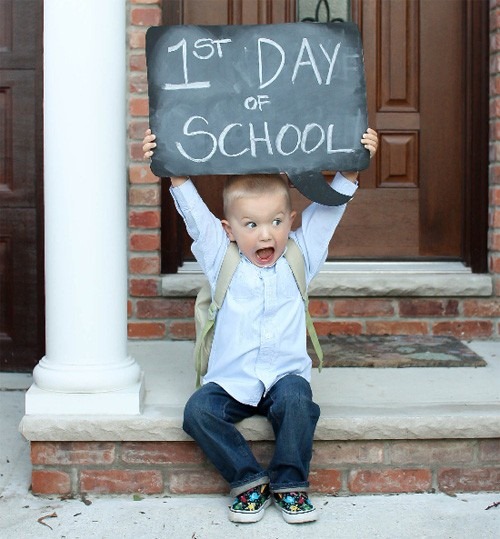
Prayer for the First Day or Week of School

Adapted from Mom’s 1st Day of School Prayer by 6happyhearts.com

La-a-soak b’deev-ray Torah…
To be involved in the study of wisdom.

Here we are again, O Source of Wisdom.
Their backpacks are loaded
and their lunch cards are full.
And I know you will walk with them, Eternal Nurturer.
You always do. But a parent still has to ask.

Will You walk with them?
Will You whisper to them what they need to hear, when I’m not there to whisper it?
Will You please cover their school with a sukkat shalom, a shelter of peace,
the protection only You can give, and will You keep harm far away?

Will You make their minds strong and ready to learn?
Will You help them understand that hard work honors the One who created them all?
Will You guide their teachers,
giving them sav-lah-nut (patience), choch-mah (wisdom),
yi-tzee-rah-tee-oot (creativity), and more patience?

Will You bless their them for their efforts?
Will You love all those children there,
the ones whose stomachs aren’t full, the ones who feel alone?
Will You teach my children chesed (kindness), rachameem (compassion), tzedek (justice)?
Please teach them to love even those who are different from them.

Source of Life and Blessing,
I give them to You today and everyday,
Trusting them into Your care.

Baruch Ata Adonai, show-may-ah t’fee-lah.
Blessed are You O God, who hears our prayer.

What’s your prayer for your child today?

Carrying Torah Scrolls to Safety: How I Spent My Sunday

Rabbi Paul Kipnes
and Paul Kleinfinger

That’s me.  With Congregation Or Ami’s two Sifrei Torah on the Las Virgenes bridge over the 101 Freeway. I had just carried the two scrolls from our synagogue building, away from the smoky fire.

With me is my new friend Paul Kleinfinger, a nice Jewish boy who offered to shoulder the responsibility for protecting the Torah scrolls. Thank you Paul for the mitzvah of gemilut chasadim (this act of lovingkindness), and for assisting someone (me) in need of help.

If you look closely behind us on the left, you see the hill that was part aflame and part smoldering. A hill swarming with fire fighters dressed in orange.  A hill being battered by a bulldozer and a flock of super scooper planes and helicopters dropping tons of water on the flames.

View from the Synagogue’s Front Door
of Plane Dropping Water on Flames

The flames and smoke were 200 yards from our Calabasas synagogue. Locals will recognize from the pictures that the fire was on the hill behind the Las Virgenes Fire Station, and right near the onramp to the 101 West.

The burn area was wide, but the flames were small, and the firefighters were vigorously attacking the fire. Luckily, Las Virgenes Blvd separated the flames from our area; it appeared unlikely that the fire could jump across the road. Clearly, the Fire Department’s plan was to make a stand on that ridge. Still the smoke was heavy, flames were still burning and we worried.

After receiving a series of texts, Facebook messages, and calls from congregants, Congregation Or Ami President Hedi Gross and I decided to meet at the synagogue to evacuate the Torah scrolls, computers, prayerbooks and more.

Next to our children and our lives, a Sefer Torah is the holiest possession of the Jew. Jews will often risk their lives to save a Sefer Torah in case of fire. Fortunately, the immediate danger seemed low.

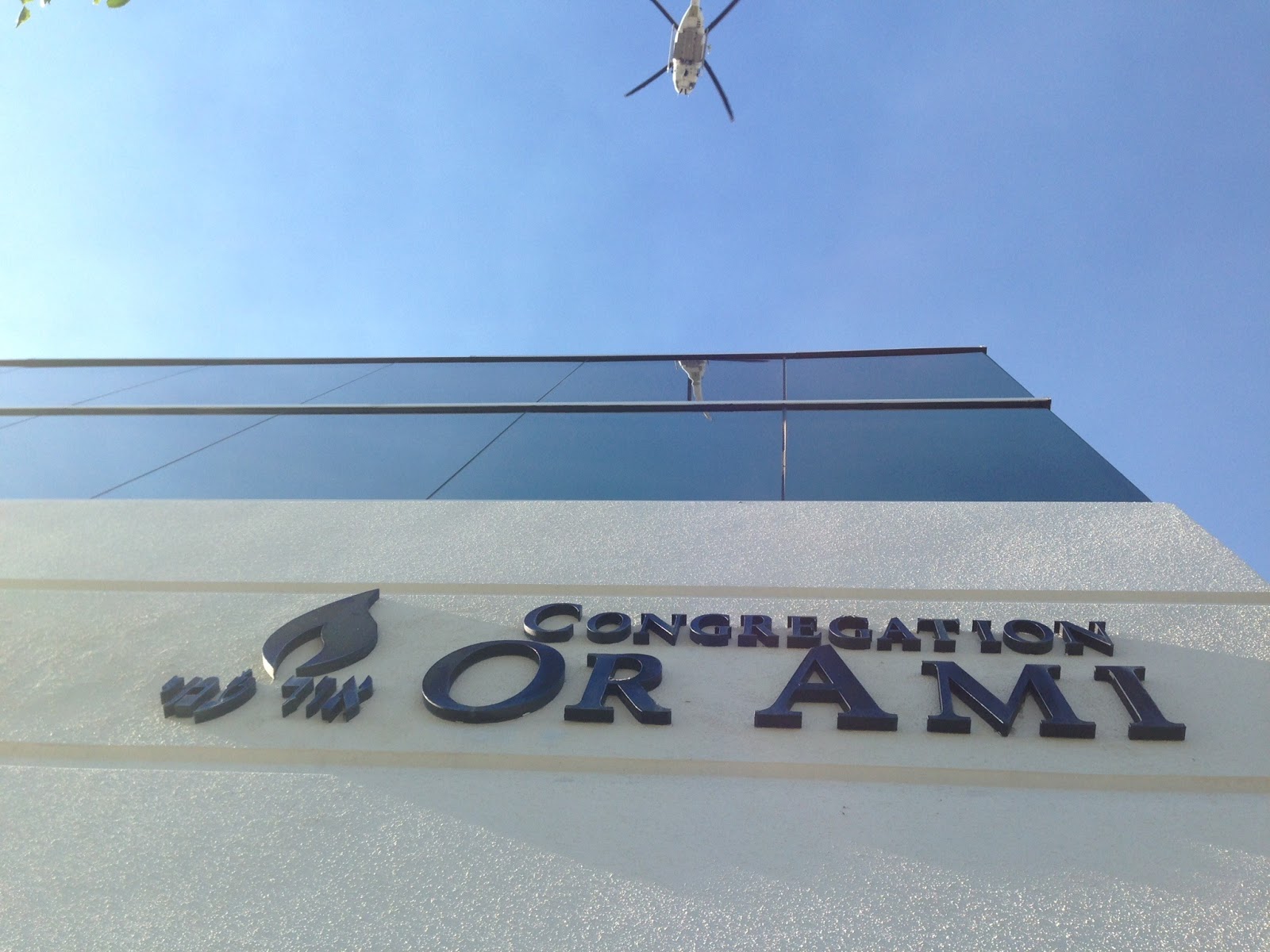
Firefighting Helicopter over Or Ami

We have been down this road before so we are prepared. Previous fires have caused us to move our offsite High Holy Day services to a different location, and to quickly evacuate everything of significance from the synagogue. (I even got a Rosh Hashana sermon out of it.) Now lists hang in the synagogue as to what needs to be evacuated if a fire threatens our sanctuary home.

Hedi, (First Man) Matt Gross and their daughter Molly came toward the synagogue from different directions, only to be turned back at the freeway exit by the LA County Sheriffs. My car was also turned away, but after showing my identification, the officer allowed me to walk across the bridge and “do what I needed to do.”

Torah Scrolls, Wrapped in
Tallitot, for Evacuation

So I walked across the bridge, turned down our road, and unlocked the front door. Wrapping our two scrolls in tallitot, I carried them out of the synagogue and back down the road.

They were heavy. It was hot outside. But just like we tell the students who are nervous about carrying Torah during their B’nai Mitzvah service, the Torah scrolls carried themselves across the bridge.

As I was walking and carrying, Hedi and Matt finally were allowed to pass through to the synagogue from the back way (down Mureau Road).

Matt and President Hedi Gross
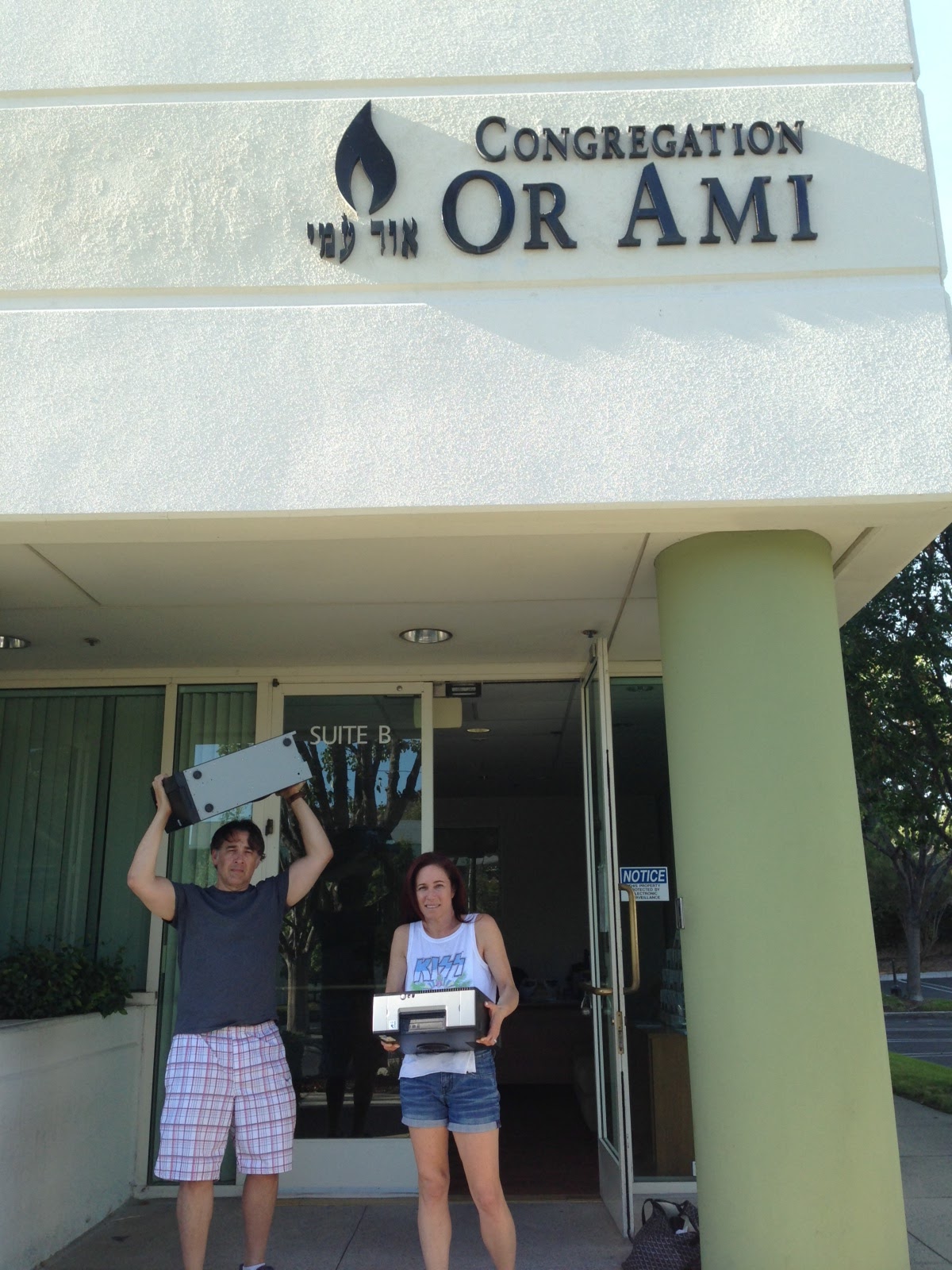
Carry Computers for Evacuation

Watching the helicopters fly overhead gave them an adrenaline rush to unhook the computers and carry them to their cars. Hedi received innumerable offers – by phone, Facebook and text – to help from congregants and friends. They evaluated how and if to remove other important items from the building.

Hedi’s friends Greg and Ben Luterman from Shomrei Torah Synagogue met me across the bridge to help with the Torah scrolls. I must have been really tired, and because of smoke inhalation (not really) probably was not thinking straight, because I even released one Torah scroll to that Jewish Greg who was wearing a cursed (pagan?) Yankees t-shirt; I’m a religious Red Sox fan.

Laurie Tragen-Boykoff & son
Loren Safeguard our Scrolls

We delivered the Torah scrolls for safekeeping overnight to congregants Laurie Tragen Boykoff and Terry Boykoff, and their son Loren, who carried them in and lovingly placed them on their dining room table. They were excited to be able to open and examine up close our sacred scrolls.

When all was said and done, the fast work of the Fire Department contained the fire before it could spread even more. Hedi and Matt realized that with cars now permitted to pass through, the danger was diminishing. They returned the computers back to their rightful places. Premises chair Terry Boykoff reported that the news was announcing, and bird’s eye video was confirming, that threat had all but passed. Somewhere between 50-170 acres burned. But no homes were damaged.

So thank you to all who called, to all who prayed, and to all who offered to help. We believe our synagogue is safe and our precautions were prudent but unnecessary.

And now back to our regularly scheduled High Holy Day preparations…

A Letter to My College Bound Son

To My Son,

So now you are going off to college, spreading your wings, moving forward into your future. I am excited and saddened for the experiences yet to come.

There is so much I want to tell you and to remind you about, including things I have said before. About what it means to be a man. Some of this is relevant today; some you should can file away for the future.

Watching You Grow Up
I have been watching you closely, realizing how quickly you are growing up. I cannot believe how fast the time has flown by since you last were my little boys, kids who I could toss around the pool or wrestle with without worrying that someone (me) might get hurt. Then you began to drive. Then you began to shave. Sooner than I will be ready, you will be on your own – living, learning, working, and loving.

I remember the day that Mom and I named each of you. You were so little, so cute, so vulnerable. We chose names which connected you to our family and our Jewish tradition. We picked names that reflected compassion, confidence, and strength. We aimed to teach each of you to be a mensch, a kindhearted, caring man. Yet ultimately we knew that you alone would determine the name by which you are known in the world.

Being a man is about character. Men, real men, know that manhood is not about size; it’s about quality. The quality of your character ultimately means more than the size of your portfolio. We Americans admire character – like the people who blow the whistle, and the FBI agent who pointed out deficiencies in the agency before 9/11. We admire people who risk life and liberty for a cause, like Dr. Martin Luther King Jr., and Oskar Schindler, and the 9/11 firefighters. But character is also born in a thousand bit parts that never get written up. What you choose to do when the clerk gives you the incorrect change. Whether you give up your seat on the bus for an older person. How calmly you react to someone who is being rude. The best index to a person’s character is (a) how you treat people who can’t do you any good, and (b) how you treat people who can’t fight back.

Be a Gentleman
Judaism teaches that we all were born with a yetzer hatov, an inclination to do good. Insulate your soul for good by following that conscience. Because being a male may be a matter of birth, and being a man is a matter of age, but being a gentleman – a mensch, a good person – is a matter of choice. Strive always to be a gentleman.

Anthropologists suggest that because men cannot birth children, men strive instead to create things and conquer things – in business, in court, or with smart bombs and battleships. That drive in both men and woman is called the yetzer hara, the inclination toward chaos and egotism. The yetzer hara can easily overwhelm our yetzer hatov, the inclination to do good. Especially when we add testosterone into the mix.

How many times do we read about sport players who have temper tantrums on the court or who use steroids? Who can count the number of celebrities who break marriage vows with a string of affairs? In a culture that counsels us to be the best, the most powerful, wealthy, and hyper-sexed, we must empower our yetzer hatov, the inclination toward good, to set us straight. My sons, be honest, be thoughtful, and be monogamous. Treat women and other men as equals and never discriminate against people of a different background, religion, race, or orientation than your own.

About Being a Father
My son, one day I hope you will bless Mom and me with many grandchildren. Kids are wonderful and frustrating, inspiring and exhausting. From the moment they are conceived, children become your blessing. Both parents, whether married or not, have the lifelong responsibility of helping to raise them. So be an involved dad or granddad. There will be no deadbeat dads in our family. And if you don’t have children, be involved in the mentoring of others. We all have responsibility for the next generation.

Your children will carry on your influence long after you are gone. Fathers can model for their kids how to be mensches. So be a positive Jewish role model for your children. Let them see you at your best – with your friends, with your family, in the Jewish community and within your career. Help them with homework, play with them in the park, and listen non-judgmentally to their problems. As a parent, you will – necessarily – develop new skills. I got to learn how to hit 250 baseballs in a row and how to throw a Frisbee forehand, because these activities make you happy, and give us time together. Do the same for your own kids.

Be Honest in Your Work
Being a man is also about working. Many men get a lot of their self-esteem from their work. So seek out a career that you find meaningful. Jewish tradition takes seriously our behavior in our work. According to one tradition, when we die and arrive at the gates of heaven, the very first question we will be asked is Nasata v’natata b’emunah? Did you deal honestly in your business? This question is not just about buying and selling. It’s about integrity. Did you act with honesty in your business relationships? Did you treat your co-workers and subordinates with respect? The question presupposes that we all harbor within the ability to cheat, lie and steal and that our business ethics will be tested every day. So resist the temptation to take advantage of people. Be someone in whom others can put their trust. Own up to your mistakes.

Remember that time when we drove around for an hour looking for a restaurant? While men tend not to want to ask for directions, nevertheless seek help when you are confused, lost or in pain. And delve deeply beneath your anger to find the sadness hidden beneath. That will help you heal more quickly.

$MONEY$-$MONEY$
Remember that money is just a tool, not an end in itself. Money opens up opportunities but working around the clock will not quell the longings of your heart. Don’t fall into a lifestyle that makes you a slave to your work. Do spend time with your loved ones – including your siblings and especially your parents. Devote ample time to raise up your community and set aside plenty of money to give as tzedakah (charitable donations).

Its Guy-Love: Friendships to Sustain You
You known that my friendships have nourished me throughout my life. A fifteenth century Talmudic scholar, Menorat ha-Maor, counseled: “…Invite [your friend] to your joyous occasions; … never give away his secrets; help him when he is in trouble; … overlook his shortcomings and forgive him promptly; criticize him when he has done wrong; do not deceive him; … and attend to his [family] if he dies.” On the TV show Scrubs, JD and Turk had a name for such cherished friendships. They call it guy love. What’s guy love?

Do you remember that time five years ago when the water pipe burst, flooding our entire house? My friend Ron took the initiative to drive over to help us deal with the flood. My college roommate Jerome sent a check to ease the repair expenses. I never cashed that check, but both of their acts of compassion remind me that “guy love” involves stepping up and helping out.

Being Involved in Your Jewish Community
Being a man involves a relationship with your Jewish community. Next time you are in services, notice all the men and women who sit down, close their lips, and patiently wait for the service to end. Perhaps they don’t know the prayers, or don’t see their value, or don’t understand how to reconcile religion with science. If this is you, don’t just sit back. Speak up. Ask your rabbi to help you discover its meaning. Spirituality and religiosity are a lifelong journey that can nourish your soul when your heart is burdened, broken, or uplifted. And being a Jew means taking the risk that significant meaning may be hidden within our ancient rituals and modern teaching.

Sex and Love
Now, about sex. Although television and movies suggest otherwise, in reality, sex is about so much more than the mechanics of where you put what. (We already had that talk.) Sex can be great, but it should be within a mature, loving relationship. Sex is also about intimacy and love, commitment and responsibility. Trust me, making love is so much better. (I hope I didn’t just scar you for life…) Regarding sex, try being counter-cultural and focus first on finding love.

I may not know everything about love, but I do know this: that the love I share with your mother is the most fulfilling, complex, nuanced and wonderful thing I have ever experienced in my life. Love is not always easy, but it has always been worth it. I hope you are so blessed. Because mature love will bring you strength, contentment, and wholeness. Yes, there will be heartbreak – we all experience it along the way. Know that time will help heal most wounds; and that therapy, exercise and prayer can assist the process.

What’s Mature Love? 
In our youth, we often fall for people who live up to a certain definition of outward beauty. But over time, as we try to get over the inevitable hurdles of life, we see that over the long term the partnerships that remain strong are characterized by trust, a mutuality of values, and the recognition that marriage takes much effort and time. So enter into love relationships with your eyes wide open. First get to know and love yourself. Then consider seriously the person’s character and values, concern for others, family, friends, education, and short and long-term goals. Don’t let your craving for acceptance lead you to simply choose the first option available.

Know that whomever you bring home – female or male, Jew or not – we will open our hearts to your choice of partner. In today’s world, the odds are just barely in your favor that any marriage you have will work out. (Of course, if it doesn’t, know that some of the most blessed relationships are second marriages.) I sincerely hope your marriage works out, and if so, that will be in part because you put as much effort into your marriage as you do to your work or your sports. How? Date your beloved well after you are married. Get dressed up; go out. Romance each other. That will be a lifetime gift you give to your partner and yourself, and, because it will help your relationship remain healthy, it will be a gift to your children also.

My son, I am your #1 fan. I am here to guide you, to support you, to nurture you, and to celebrate you. I am grateful for you each and everyday! I love and cherish you dearly.

Love,


Dad

How Do We Talk about God, Especially When We are Unsure, Confused or Conflicted

How do we talk about God when so many of us have such conflicted, confused and challenging concepts or relationships of/with God?

As a community about to jump into major community-wide conversations about God, Congregation Or Ami necessarily will face this conundrum.

When at Yom Kippur Kol Nidre services Rabbi Julia Weisz, Cantor Doug Cotler and I deliver a collaborative, multimedia sermon about God, we will strive to speak openly about what we know and what we do not know, what we believe and what we do not believe.

Similarly, every parent, teacher, adult, child, Jew, Christian, Muslim, Buddhist, believer and non-believer will be invited to struggle with their beliefs about God. Openly. Honestly. Aloud.

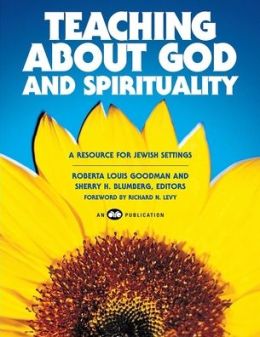
Teaching about God and Spirituality

In Dr. Sherry Blumberg’s Teaching about God and Spirituality, we face the challenge head on. As you read on, try to read yourself into the role of the “teacher.” How does this text speak to you?

What if the teacher is unsure of his or her own conception or feelings about God? Can an atheist or agnostic Jew teach about God? A person who is going to teach about God needs to have examined his or her own belief, and tested it in the light of Jewish criteria, namely, metaphors, concepts, and views of God found in texts or expressed by Jews throughout the ages. For example, a person questioning why bad things happen to good people could examine, among other things, views on the concept of free will, the Book of Job (the biblical classic text on theodicy), or the responses of Holocaust survivors to that horrifying experience. 

Perhaps thinking about the agnostic or the atheist teacher raises the deeper question of whether or not a doubter or a non-believer can or should teach about God. The best teacher to teach about God is one who has a deep religious faith, and yet doubts, questions, and struggles with his/her understanding of God. This person exemplifies the Jewish seeker, one who is actively engaged in a relationship with God. Therefore, I would rather choose the agnostic teacher who can honestly search with the students, than the confirmed atheist, or even a person with a conception of God that doesn’t allow for any disagreement or flexibility.

Jewish seekers seek understanding, meaning and connection. Jewish belief may be religious, spiritual or even intellectual. The best part is the conversation.

An Invitation to Talk God
Are you intrigued by discussions about God? Are you interesting in exploring different Jewish concepts of God and of Jewish spirituality?

  1. Join our Jewish Spiritual Seeker Facebook group to participate in our discussions about God, Spirituality and Holiness.
  2. Learn with Rabbis Paul Kipnes and Julia Weisz in an adult study on “God, Belief and Disbelief” which will explore up to 18 different Jewish conceptions of God. This adult portion of our Mishpacha Family Learning program welcomes all adult (families with children can enroll in the full program, instead of our Kesher Learning program). Sundays, twice monthly, beginning at 9:00 am. For more information, contact Nancy Acord at Congregation Or Ami (nancy@orami.org or 818-880-4880).
  3. Read my musings about God.

God does not Have a Place, Rather God is The Place

Bryce Canyon National Park

One summer, we drove over 6,000 miles, visiting 20 States in 31 days in our own Odyssey minivan.

Most memorable of all were the 14 amazing National Parks. There, we were overwhelmed by America’s natural beauty. Its spacious skies and amber waves of grain. Its purple mountains, majestic; those low-lying, fruited plains. Wherever we drove, from the mountains (in Colorado) to the prairies (in South Dakota) to Oregon’s oceans white with foam, I kept encountering… HaMakom.

Of the 70 names for God referred to in Torah, HaMakom, meaning “The Place”, stayed with me during the sabbatical. Why do we call God THE Place, HaMakom? It’s a metaphor. As physical beings, we sometimes best understand difficult concepts from a physical frame of reference. If you think about the meaning of a “place”, you may agree that it is more than just a geographical location. A place is a space which is capable of containing something else. When we call God HaMakom, we mean that everything is contained within God, while God is not contained in anything. As our Sages say: “God does not have a place, rather God is The Place … of the Universe” (Genesis Rabba 68:9).

My heart first opened to HaMakom, “God as Everywhere”, as Michelle and I meandered for two days up the gorgeous Oregon Coast. Each scenic overlook brought us to a view more breath-taking than the last. Have you ever been so overwhelmed by the beauty of nature surrounding you that you lost track of time, of priorities, of yourself? Every inch of the Oregon coast was so darned beautiful. It was God’s country. It is God. HaMakom.

Oregon Coast

I felt a little like Adam in that first week following his creation. After the work of naming the animals, and the fun of dallying with Eve, what did Adam do? Midrash Tanhuma, a fifth century collection of rabbinic stories, tells us that Adam spent his free time admiring the glory of creation. Overwhelmed to his very core, Adam stood silent on the shores of the sea, contemplating the majesty around him. Then he lifted up his voice to extol God, saying: “Mah rabu ma’asecha Adonai – How great are your works, O Eternal Creator!” (Midrash Tanhuma Pekudei 3, end, on Ps. 104:24).

Imagine that! The first human being, Adam, the first to behold God’s creation, was so inspired that he became Creation’s first poet. Adam responded with astonishment, and with deep appreciation. Then he became philosophical. In both the simple beauty of the ocean and in the world’s complexity, Adam saw evidence of the Holy One.

Philosophers call this panentheism, with the world being in God and God being in the world.
The kabbalists, Jewish mystics, call this Ein Sof, that there is no end to the Holy One. God is everywhere. I just call it HaMakom.

Like Adam did, so often this summer I perceived signs of HaMakom, God’s Presence: in the ocean, in the mountains and the sky. My ears began to hear the praise-songs of nature. My heart, inspired beyond its usual capacity, began to burst.

Often we, who live closed off in cities, drive around in climate-controlled cars, work in climate-controlled offices, forget to take notice of the glorious splendor which surrounds us: California mountains and Pacific seashores, desert palm trees and picturesque sunsets. We make ourselves too busy, too stressed, too worried about money, or time, or our jobs, to see the wonder. We use every excuse to remain in our homes, walled off in our cars.

So this Shabbat – and tomorrow, and next week – EVERY DAY… be like Adam, the first human being, and open your eyes to the wonder around us.

An Invitation
Are you intrigued by this conception of God? Is it different from the vision of God that you no longer believe in? This year, Rabbis Paul Kipnes and Julia Weisz will be co-teaching an adult study on “God, Belief and Disbelief” which will explore up to 18 different JEWISH conceptions of God.

This adult portion of our Mishpacha Family Learning program welcomes all adult (families with children can enroll in the full program, instead of our Kesher Learning program). Sundays, twice monthly, beginning at 9:00 am. For more information, contact Susie Stark at Congregation Or Ami (susie@orami.org or 818-880-4880).

Rabbi, Can You Get Us a Kidney?

Can you Get us a Kidney? 

A kidney??

In the context of reaching out through our Henaynu Caring Community committee, I have been asked to help arrange many things: meals for a family whose mother was hospitalized, rides for an elderly member to services, volunteers to set out a shiva meal following a funeral, community services through our partnership with an onsite Jewish Family Service social worker, and even text messages and Facebook posts for a sick teen who was confined to his home. But to help arrange a kidney for a congregant family, that was new to me.

Still, if Congregation Or Ami (Calabasas) stays true to its core value of Henaynu (that we will be there for each other in good times and bad), then helping to arrange a life-saving kidney transplant can be on the list also.

It IS Life or Death
I don’t want to over dramatize this but want to express the need clearly.

Steve and Laurie Keleman

Adam Keleman is the son of founding members Laurie and Steve Keleman. Adam, is 30 years old and wants to make movies. About 3 years ago, he moved to New York, where he could practice his craft. He lived a full life, since he received his first transplanted kidney at age 18.

You see, Adam has a kidney disease called IGA Nephropathy. The disease prevents the kidneys from filtering properly, ultimately resulting in kidney failure for both kidneys. The treatments are dialysis or transplantation.

Adam’s Mom, Laurie, donated his first kidney. Who wouldn’t give up a kidney for their own kid? That transplanted kidney has been very successful. Adam’s body accepted the kidney, and he has done pretty well. We all wanted to believe that he will never need another kidney.

But, earlier this year, the key markers of the disease appeared again. Attempts were made to stall the disease, but with time the disease began to damage his kidney and it continues to worsen.

There is no cure yet.

So Adam needs a transplant or return to dialysis. While many people are on dialysis, it is restrictive and debilitating. This comes with extensive side effects.

Yes, Adam needs a transplant. His father is not a viable match, nor at this time are any close family members able to donate. So Adam needs, we need, a kidney donated from someone who has “B” or “O” blood type.

While there is a national organ donation list, it has at least a 5-year wait. The Kelemans have let their friends know, and Adam has put an announcement on Facebook. However, we need to cast a wider net to help find this needed kidney.

What’s Judaism Have to Say about Organ Donation?
Jewish tradition teaches that we are partners with God in continuing and sustaining the daily miracles of creation. Organ and tissue donations are an extension of this partnership. Through donation, we have the unique and holy opportunity to bestow the gift of life and wellness from one of God’s creations—you—to another. With your gift, you are responding Hineini (Here I Am!) to God’s call. In fact, Reform Judaism (through the URJ Commission on Social Action, Religious Action Center for Reform Judaism, and Women of Reform Judaism) has long been an advocate of organ and tissue donation. A 1968 Reform responsum noted that the use of such organs to heal or save a life is in keeping with the Jewish tradition and a positive act of holiness (discussed in CCAR responsum 5763.2 on Live Liver Transplantation).

Do Other Movements within Judaism Agree?
Yes. The value of pikuach nefesh (the saving of a life) underscores this belief within our entire community, regardless of denominational affiliation. The obligation of pikuach nefesh is an overriding principle of Jewish law. This would support the idea of organ donation.The Union for Reform Judaism Jewish Family Concerns Bioethics Study Guide on Organ and Tissue Donation provides a complete overview of the Jewish perspective.

Doesn’t Judaism Require Us to be Buried with our Bodies Intact?
Judaism draws a distinction in the case of donating organs and tissues to save a life.

So Do a Mitzvah
A mitzvah is both a good deed and a Jewish responsibility. Helping Adam Keleman fulfills both.

How to Help

  • Let the Kelemans know that you are willing to undergo the testing to see if you are a match. The Kelemans will cover all costs. 
  • Share this life-saving mitzvah opportunity with other friends and family – by word of mouth, by forwarding this blogpost on Facebook, Twitter, email, LinkedIn, Google+, and by any other means you can think of using. 
  • Post this blog on any lists or groups to which you belong. 
  • Let Rabbi Kipnes know how else you might you might help.

By helping Adam Keleman, and his parents Laurie and Steve, you are giving something of yourself to another to improve another’s life. Further, you are making it possible for a young man to pursue his dream and live a healthier life.

Thank you.

Turning to the Israeli Supreme Court

By Anat Hoffman, Executive Director, Israel Religious Action Center
Cross posted at IRAC.org

Education is fundamental to the Jewish soul. As a people we have fought to be able to continue learning even in the most difficult circumstances. In Israel, we are fortunate to have top-quality Jewish and secular education. Learning into adulthood is not feasible for most Israelis, but tens of thousands of men in the ultra-Orthodox community receive state support to continue their studies for their entire lives. This privilege is not available to all Israelis.

When I was a member of the Jerusalem City Council back in the 90s, I met a young woman who changed the way Israelis think about education. Jenny Baruchi was a student at the Hebrew University and, as a result of her mother being employed there as a cleaner, she was able to attend without paying tuition. In spite of this advantage, she was unable to finish in the usual period of three years; as a single mother, Jenny had to work at the same time to support herself and her family. Jenny turned Jerusalem on its head when she decided to sue for the right to receive the same living stipend that haredi men receive for studying in kollel (a religious school for married men).

She brought to the attention of many Israelis for the first time that thousands of married haredi men were able to study for a lifetime with state support, while students in universities who come from economically challenged backgrounds had almost no options for support. Many yeshiva students receive stipends for on-going study, and these stipends are not based on merit.

These stipends are a major contributor to haredi men not joining the job market in Israel. Allowing tens of thousands of haredi men to continue religious studies for a lifetime without developing any “real world” skills keeps them from ever breaking the cycle of poverty, and it robs the Israeli society of their contribution. In fact, the national budget for yeshiva students is more than twice the amount available for university students in financial need.

The Israel Religious Action Center (IRAC) has been at the forefront of trying to stop this preferential treatment, and our recent petition in Israel’s Supreme Court is beginning to crack this long-established system. IRAC’s legal team argued that special scholarships for yeshiva students need to stop. We feel they are harming both the state and the haredi men who take advantage of them.

We were very encouraged by the questions and the general mood of the seven-judge panel. It is actually very rare to have so many judges hearing one case, and it is an indication of how serious they find this issue. We are now waiting to hear their verdict and we hope it will come in the next few weeks, although the wait could drag on for months. If we succeed, it will not end all abuses of the state education budget, but it will close one huge loophole keeping haredi men out of the workforce and stopping poor secular Israelis from being able to study in university.

Jenny Baruchi is a success story. After seven years, taking on debt, and working long hours, she got her degree and is now a motivational speaker in Israel. She helps women from disadvantaged backgrounds understand that education is the key to breaking out of poverty. We are keeping our fingers crossed that the Supreme Court Judges will agree with us that equal access to education is a Jewish value that should be shared with all Israelis.

How You Can Help

  1. Learn more about our Israel Religious Action Center
  2. IRAC’s Mission
  3. Sign up for the IRAC’s Pluralist eNewsletter

When ‘just be good’ isn’t enough


Cross Posted at the Jewish Journal

“Why all these values, rabbi?” preteen Josh asked. “Can’t you just say we should be good people?” Often it is the most basic questions that set me thinking, and Josh’s query sure did.

My wife, Michelle November, and I are at Camp Newman, a Reform Jewish summer camp in Santa Rosa, where we are chaperoning Congregation Or Ami’s 45-person delegation. While Michelle serves as camp mom, answering questions by phone for the next session’s camper-parents, I work as dean of faculty, guiding young people with the camp’s daily middah (or Jewish value/virtue).

Jewish Values Guide Our Interactions
Over the course of a session, we explore b’tzelem Elohim (recognizing that each person was created “in the image of God”), kehillah kedushah (that as part of a “holy community,” we have responsibilities to each other) and kavod (that “respect” necessarily guides every interaction we have with other people and creations).

We embrace ometz lev (being “courageous”), insist on ahavah (the “love” that binds us together) and turn our hearts toward Yisrael (the land, modern state, people and children of Israel). These middot and others permeate the camp, invigorating every moment of the day from mifkad (morning assembly) to sports to hashkavah (bedtime activities).

When ‘Just Be Good’ Isn’t Enough

Josh’s question penetrates these moments of meaning by asking, “Why do we name and number so many middot, when one simple instruction — Just be good — or one simple Torah verse — v’ahavta l’reiacha kamocha (love your neighbor as yourself) — might suffice?

We find our answer back in the mid-19th century, in a commentary by Rabbi Mordechai Yosef Leiner on this week’s parasha, Shofetim. The Ishbitzer (Polish) Chasidic rebbe (d. 1854), whose teachings were compiled as “Mei HaShiloach,” believed that the more clarity we have about how we should live, the purer, more righteous lives will we lead.

Guarding the Gateways Into Our Bodies
Our parasha opens with what appears to be basic instructions for the creation and implementation of a new justice system for the tribes. “You shall appoint magistrates and officials for your tribes, in all the gates [she’arecha] that YHVH your God is giving you, and they shall govern the people with due justice” (Deuteronomy 16:18). For Rabbi Mordechai, this opening verse points also to the way we guard our lives from sin. He teaches, “She’arecha (gates/settlements): we are to establish magistrates (judges) for each and every detail of life, in every state and in every city. This applies, as well, in our individual lives. These ‘gates’ are the seven sense-gates by which we receive God’s goodness: two eyes, two ears, two nostrils and a mouth. We have to exercise great care over each of these gates by which we derive good.”

Rabbi Jonathan Slater of the Institute for Jewish Spirituality drashes (explains) that “the Ishbitzer is concerned with guarding what enters us from the outside, how we are affected by what we see, hear, say and smell. All of these sense-events/acts are powerful, affecting our inner awareness and our capacity to respond in a balanced, loving manner. Without awareness of the forces at work on our consciousness we are unable to align ourselves with the Divine.”

A Complex World Requires a Multiplicity of Tools
So why do we name and number so many middot? Because we live in a complex world with widespread influences that pull us in all sorts of opposing directions. Because our yetzer harah (inclination for evil) can easily overpower our yetzer hatov (inclination for good). Because we need multiple tools to filter everything we experience. The middot stand as shofetim (judges) at our seven sense-gates, ensuring that everything we see, hear, say and smell can and will be interpreted and moderated for goodness and godliness.

Sending Kids Off With Toolboxes Filled With Torah
When we say goodbye to Josh — and to the 1,400 young people who enter Camp Newman’s gates every summer — we know we are sending him home with a toolbox filled with Jewish virtues to keep him on a morally straight path. As the 19th century Rabbi Mordechai Yosef teaches and the 21st century Rabbi Jonathan Slater reinforces, the overall message is this: We need to establish practices that guard us from passively being affected in negative ways, just as we need to prevent ourselves from affecting the world negatively through our deeds.

For this is our highest hope: that Josh and all the children who attend Jewish summer camps around the country find direction and guidance from the Jewish values we impart to them. And we pray: May all they have learned transform them, so that they come home kinder, more compassionate and more Jewishly self-identified than ever before.

Writing in the Sand, Stepping Toward Forgiveness

The Hebrew month of Elul begins, and with it comes a month of daily opportunities to right the wrongs we have done. Our main tasks of this month are two-fold: to ask forgiveness for those we have harmed, and to offer forgiveness to those who have harmed us. Clearly the winds of forgiveness should blow sufficiently to help us erase the errors of our ways.

The arrival of Elul reminds me of a story:

Two friends were walking through the desert. During some point of the journey, they had an argument, and one friend slapped the other one in the face.

The one who got slapped was hurt, but without saying anything, he wrote in the sand: Today my best friend slapped me in the face. 

They kept on walking, until they found an oasis, where they decided to take a bath. The one who had been slapped got stuck in the mire and started drowning, but his friend saved him. After he recovered from the near drowning, he wrote on a stone: Today my best friend saved my life. The friend, who had slapped and saved his best friend, asked him, “After I hurt you, you wrote in the sand, and now, you write on a stone, why?”

The other friend replied: “When someone hurts us, we should write it down in sand, where the winds of forgiveness can erase it away, but when someone does something good for us, we must engrave it in stone where no wind can ever erase it.” 

Elul is here. It brings with it a focus on transformation. Our lives change when we break through that which has held us back from forgiving and asking forgiveness. As the story teaches, learn to write your hurts in the sand and to carve your blessings in stone.

What I Love about Camp Newman: Or Ami Campers Respond

My wife Michelle and I gathered our Congregation Or Ami campers together for another of our summer “Torah study meetings” in our cabin. These young people had been at Camp Newman for two weeks. We looked forward to the opportunity to see them all (and to eat delicious junk food). 

I asked our teens to share what the love about Camp Newman. Between bites of Oreos, Kit Kats, Reece’s Peanut Butter Cups, Watermelon Sour Patch Kids, Chips Ahoy cookies, soda, Kettle Corn, humus and crackers, dried bananas and more, they each typed a few sentences:

Zachary Oschin, Hevrah, Age 15: I love camp because of the incredible friendships I make and the way in which they grow and blossom. The loving and caring community enables me to have a fantastic home at Camp Newman.

Jenna Morris, Maccabiah, Age 13: I love camp because I get to be away from home and make incredible friendships that last a lifetime. Camp Newman is like my 2nd home.

Marlena De Castro, Maccabiah, Age 13: I love camp because it is the only place where every moment is shaped to be a lifelong memory. Camp has an accepting atmosphere that allows everyone to find their Jewish identity and be their best self. I also believe that the friendships I’ve made at camp are the most real, beautiful relationships made during my teenage years.

Hillary Delin, Hevrah, Age 15: I love camp because it is my escape from reality; everything is so calm and serene at camp, and I love taking it all in. My fondest memories are all from Camp Newman.

Lauren Perlmutter, Hevrah, Age 15: I love camp because it is my home away from home and a place where I can be my best self. Camp is an accepting place where everyone is himself or herself and incredible bonds are created amongst our peers.

Lauren Cohen, Hevrah, Age 15: I love camp because it is truly my favorite place in the entire world. It has become my home away from home, and I couldn’t imagine my life without it.

Ashley November, Counselor/Art Room, Age 17: I love being at camp and being surrounded by nature, and my friends, and just people who have similar loves. Everybody is really connected to each other and to their Judaism. It is just great.

Jacqueline Oschin, Maccabiah, Age 13: I love camp because everyone immediately becomes so close. Everyone is so accepting so you are able to be yourself, which makes it so much fun.

Sophie Barnes, Avodah, Age 16: The reason I love camp is because it is a complete escape from home life. Being away from home for such a long time and really connecting to Judaism and friends is the greatest feeling. The fact that everyone is so open and accepting makes the experience even better.

Noah Kipnes, Avodah, Age 16: SMILE!

More Camp Newman pictures on Facebook.